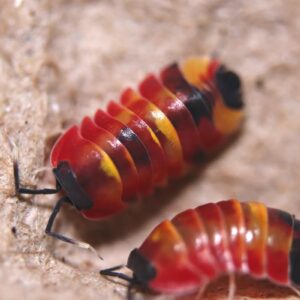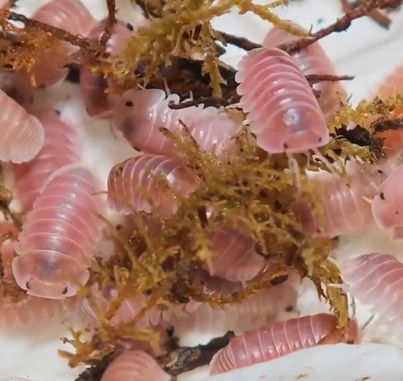
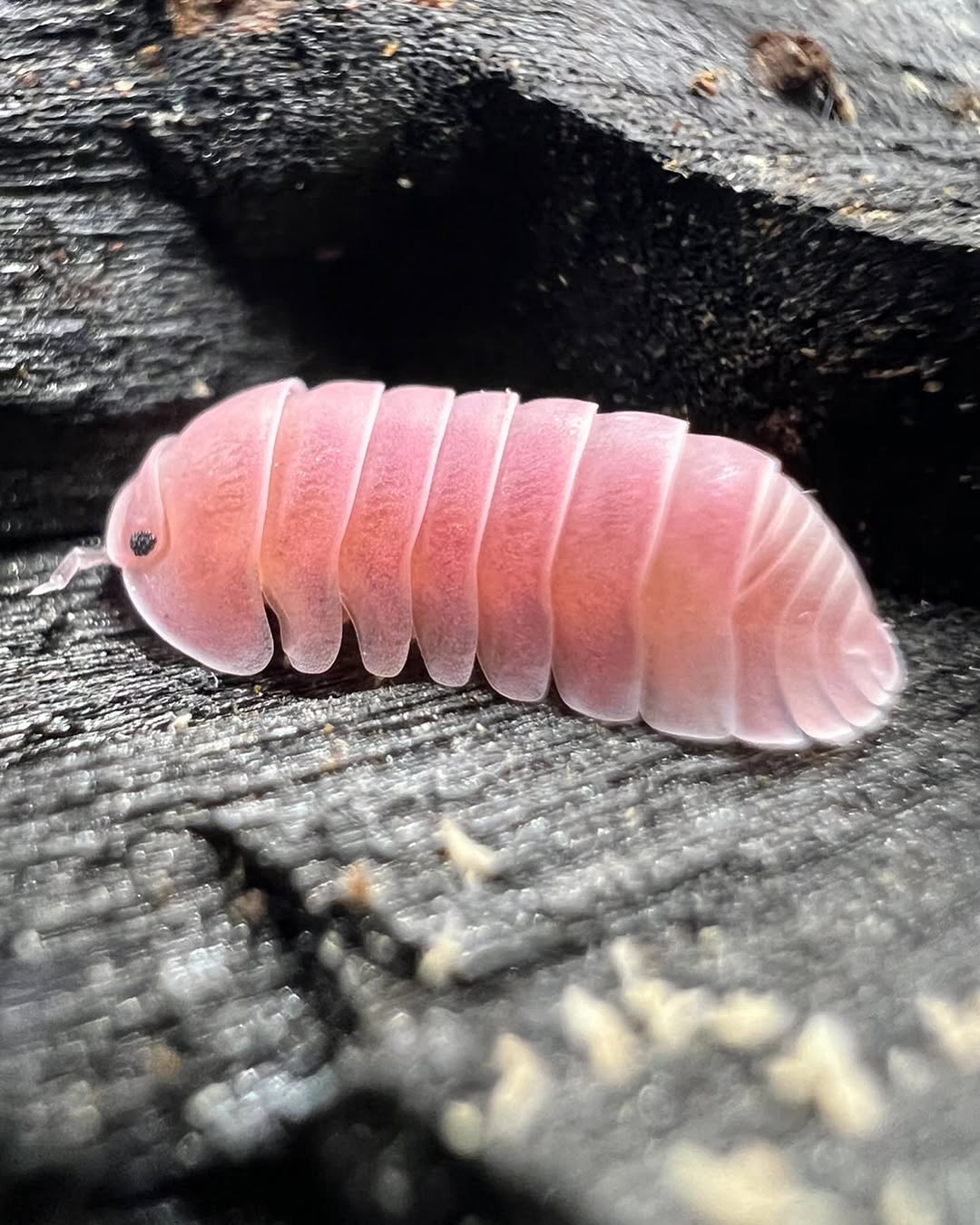
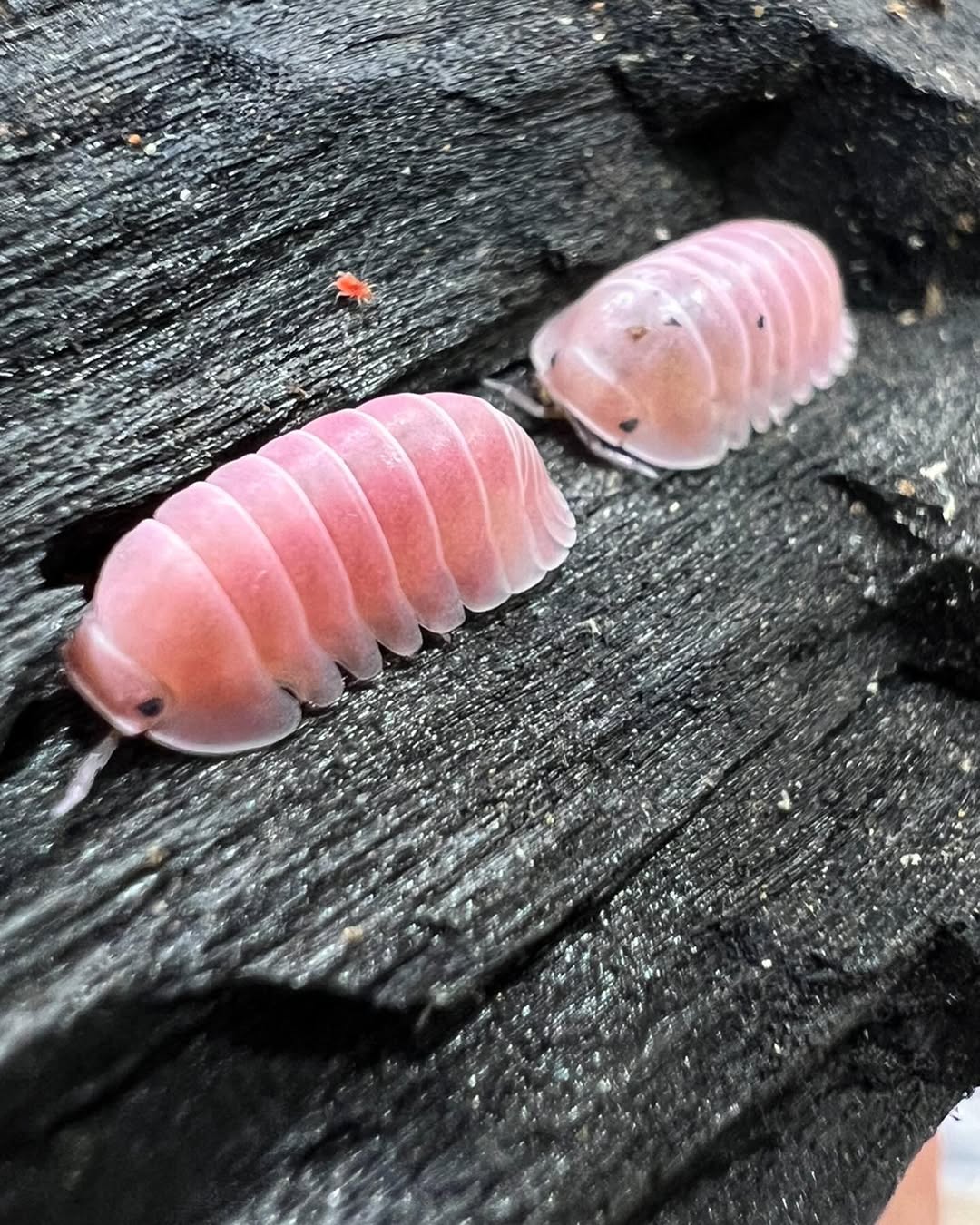
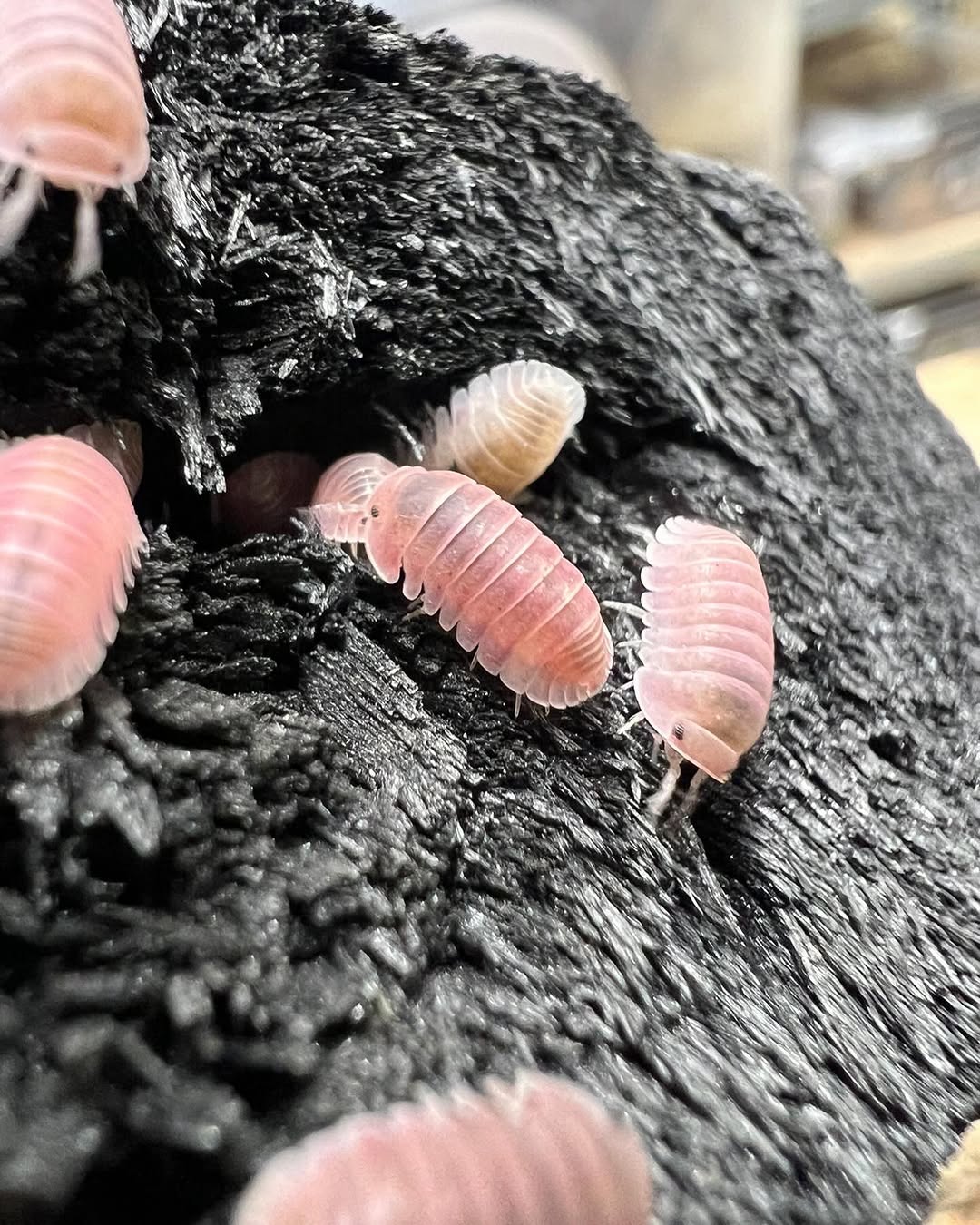
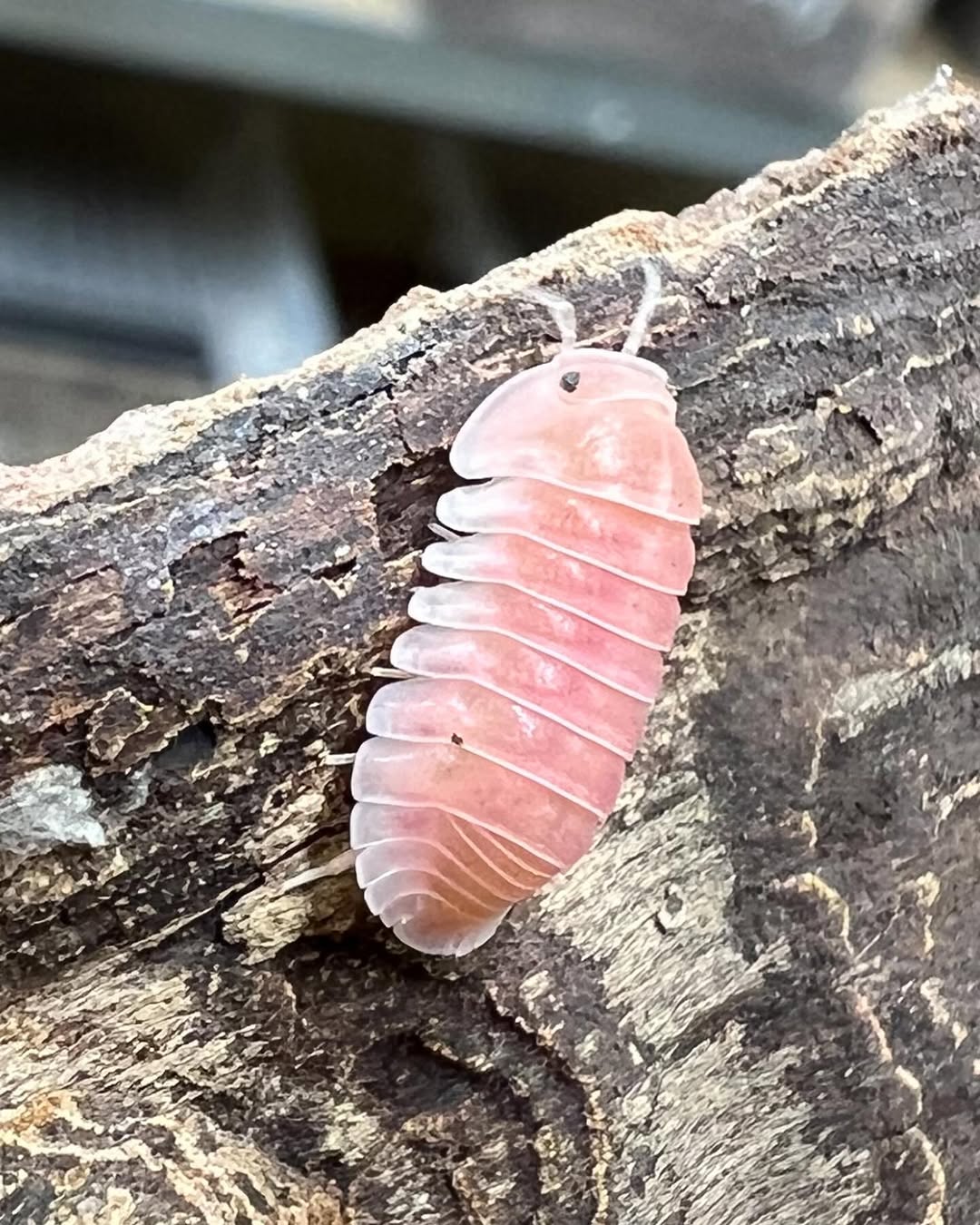
Cubaris sp. “Cherry Blossom” Isopods

Price range: £80.00 through £370.00

Blush-pink Cubaris isopods with creamy-white accents — a beautiful, slow-breeding display species for humid bioactive setups.

SKU: BBUK-ISO-CCB Categories: ,

Description

Cubaris sp. “Cherry Blossom” is one of the prettiest isopods in the hobby — soft blush-pink bodies with creamy-white skirts and accents, like petals on the forest floor. A slow-and-steady Cubaris species, they’re a rewarding choice for keepers ready to move beyond beginner isopods and build a true display colony.

Like most Cubaris, they appreciate a stable, humid setup with deep leaf litter and plenty of hides, and breed more slowly than common clean-up crew species — patience is repaid with a stunning colony.

What’s Included

  • A starter group of healthy, captive-bred Cubaris sp. “Cherry Blossom” isopods (mixed sizes)
  • Transit-safe packaging with substrate and food for the journey
  • Care instructions covering housing, feeding and breeding

Ideal Conditions

  • Temperature: 22-27°C
  • Humidity: High, with a stable moisture gradient
  • Diet: Leaf litter, rotting wood, calcium and protein supplements

Read our Isopod Care Guide for housing, leaf litter, calcium and breeding advice.
Additional information

Count

5, 10, 20

Reviews

There are no reviews yet.

Be the first to review “Cubaris sp. “Cherry Blossom” Isopods”

Your email address will not be published. Required fields are marked *

Need Help?

Not Sure What You Need?

Our care guides cover housing, feeding, breeding and more for springtails and isopods.

FAQs

Frequently Asked Questions

A starter culture of 10–15 mixed-size isopods is enough to establish a colony in most vivariums. They breed steadily and build up to match the size of the enclosure over a couple of months.

Isopods eat leaf litter, rotting wood and decaying matter, plus a calcium source (cuttlefish bone or limewood) and the occasional protein top-up. They also process animal waste and leftover food in a bioactive setup.

Most species need a humid area with a moisture gradient so they can choose their comfort zone. Keep one side of the enclosure damp, provide good ventilation, and add plenty of hides and leaf litter.

Yes. Clean-up crew isopods are harmless to healthy animals and form a natural part of a bioactive enclosure, recycling waste and helping keep the substrate clean.

Isopods breed more slowly than springtails — expect a visibly growing colony over 2–3 months under good conditions, and longer for slower display species such as Cubaris.