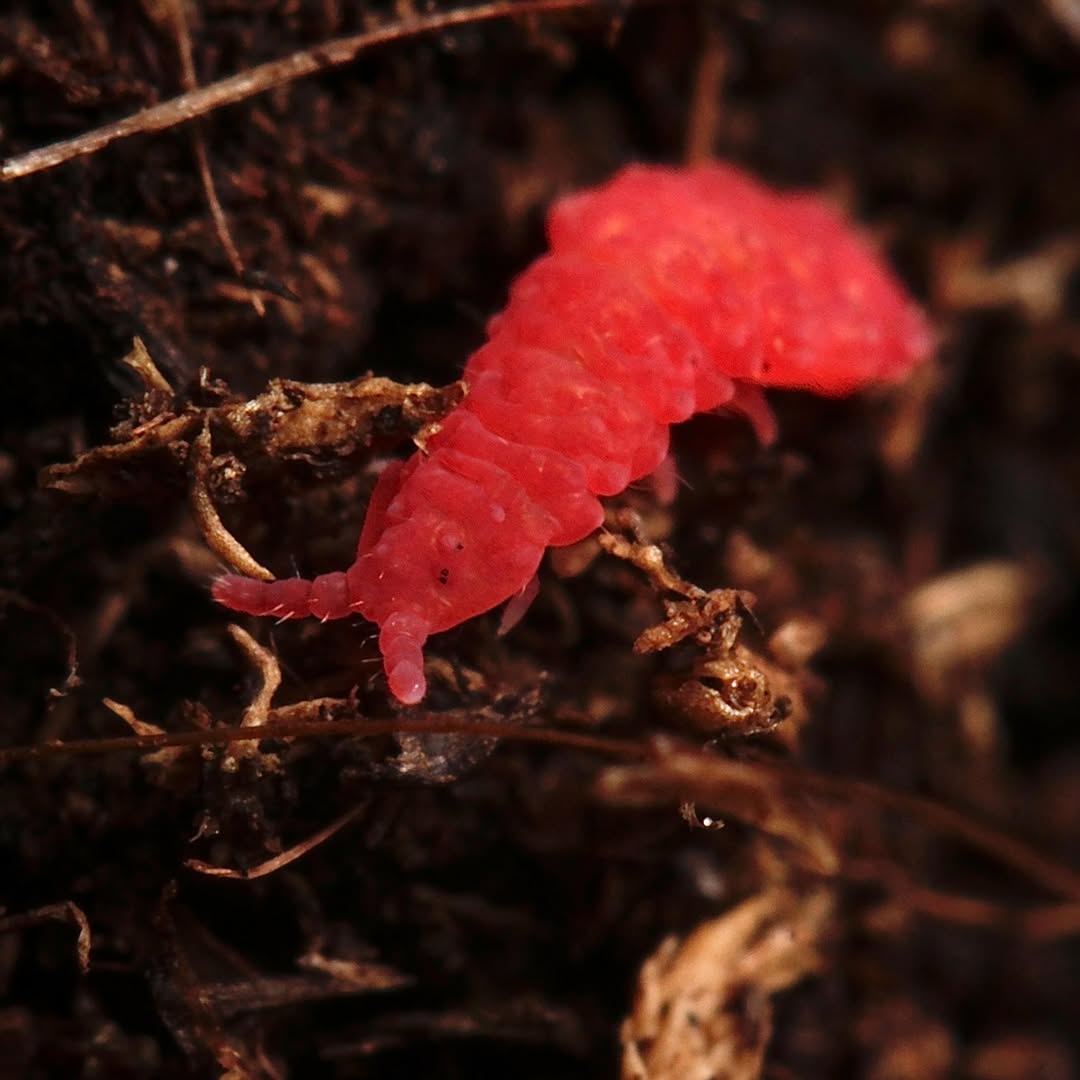
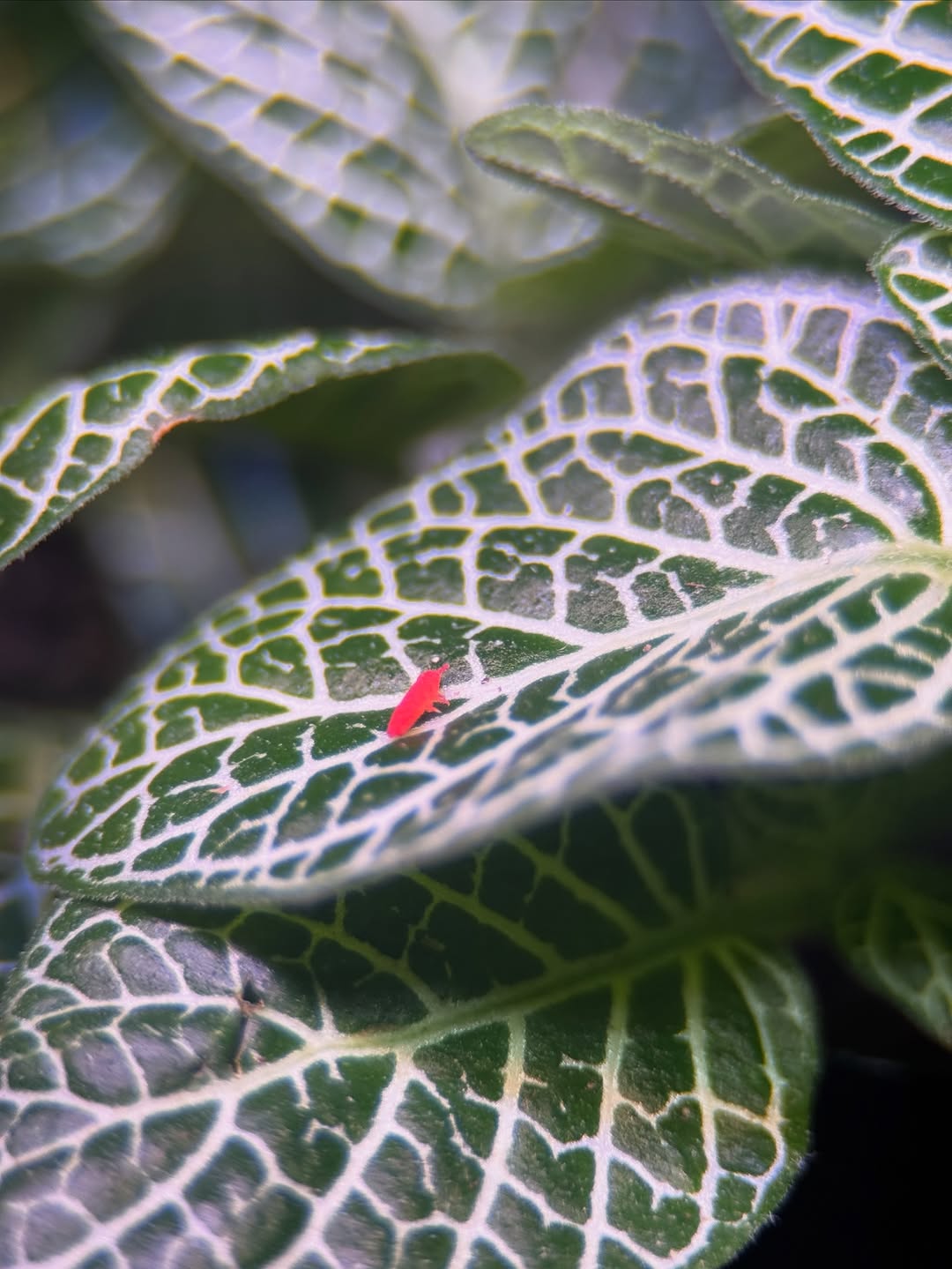
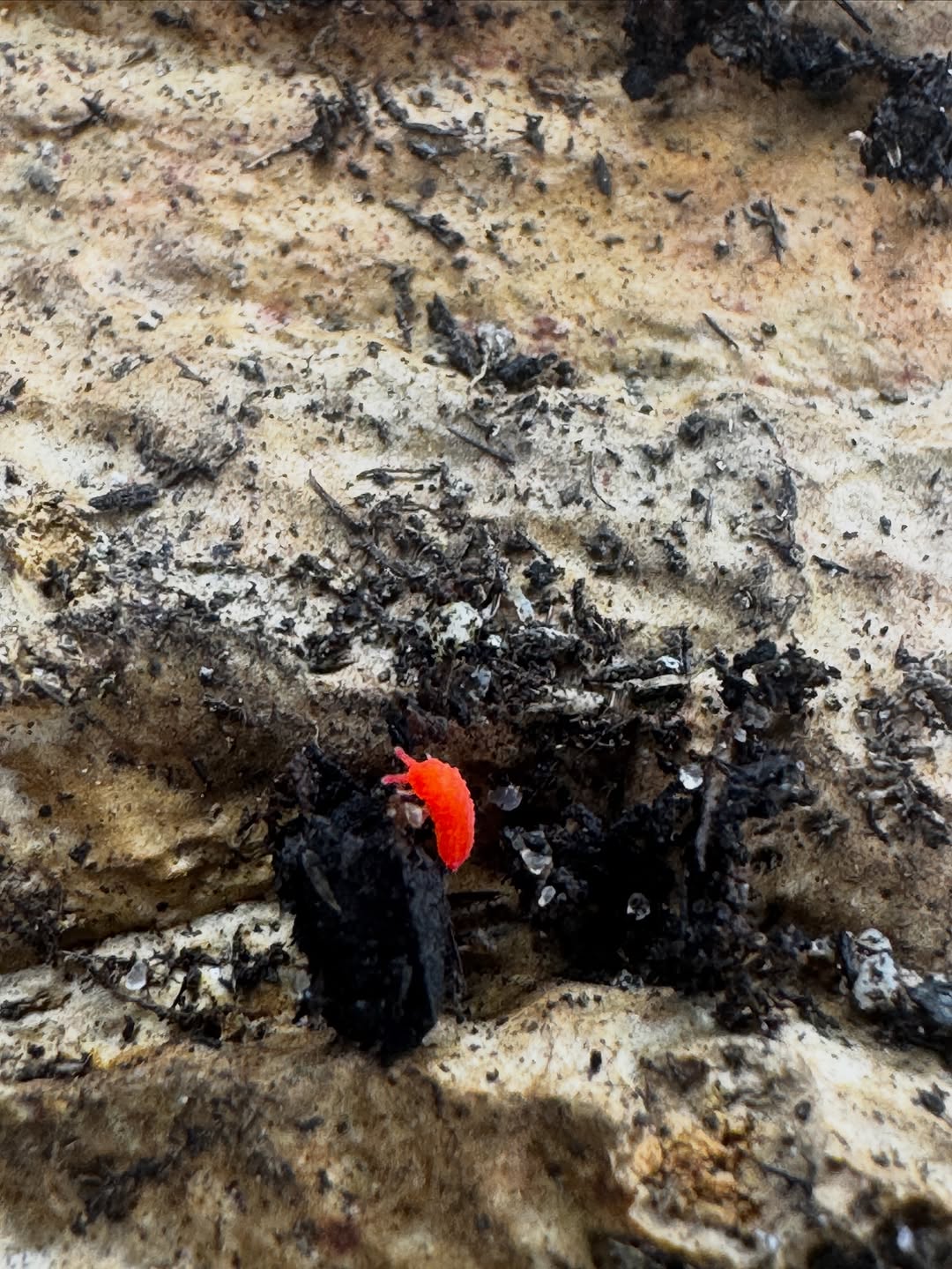
Thai Red Springtails (Lobella sp.) Culture

£24.00

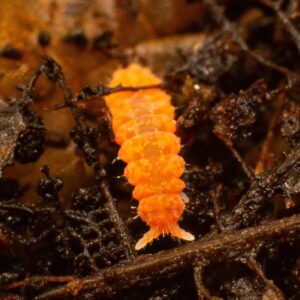
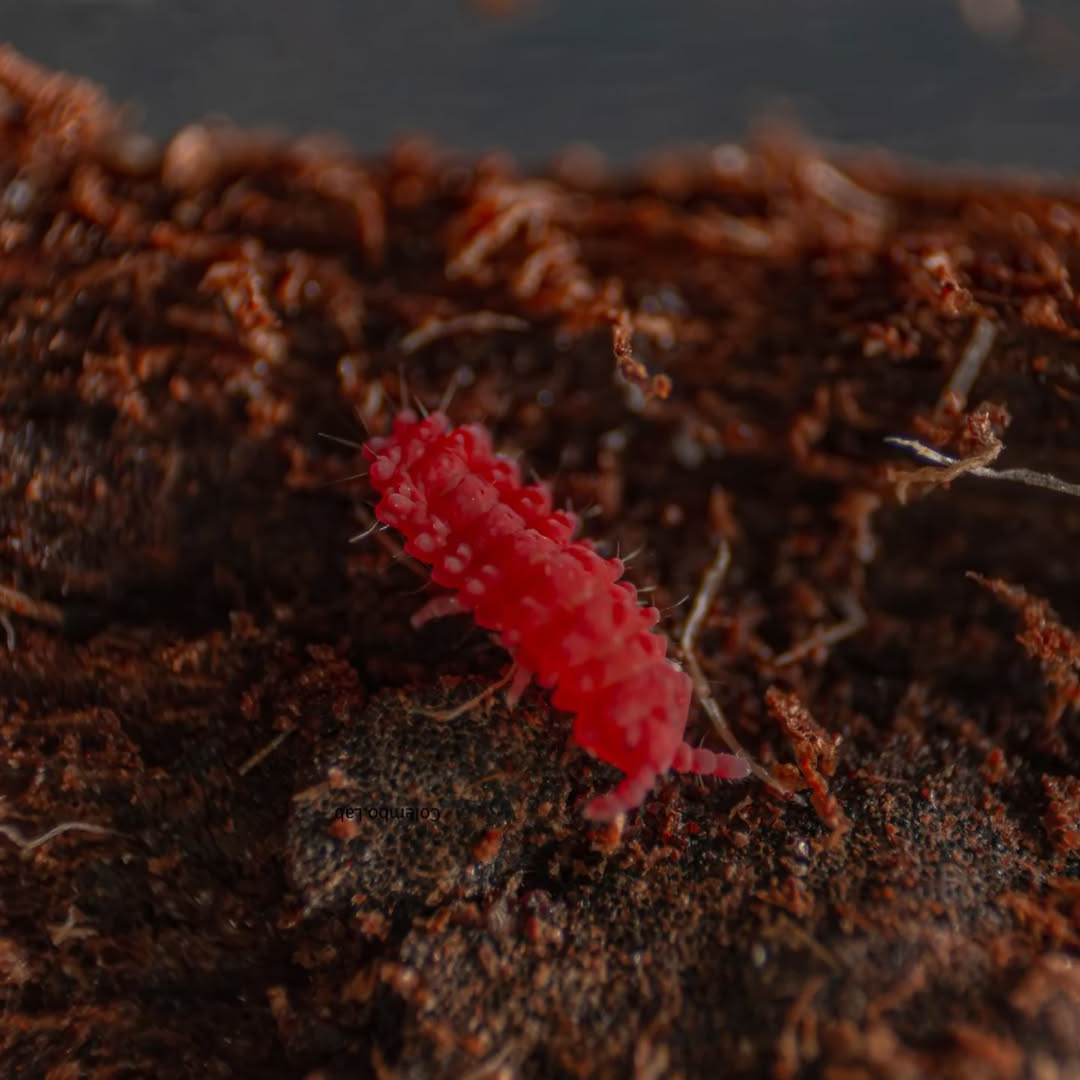
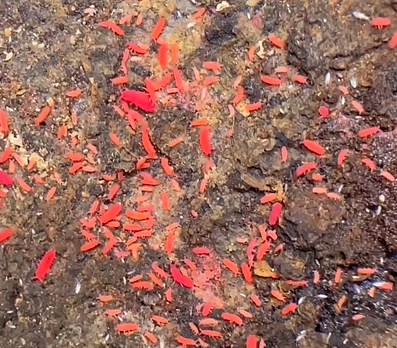
A large, vividly red tropical springtail culture — a bold, easy-to-spot clean-up crew for tropical vivariums.

Out of stock

SKU: BBUK-SPT-TRL-S Categories: ,

Description

Thai Red Springtails (Lobella sp.) are a large, vividly red tropical springtail species, considerably bigger than Folsomia candida and easily visible as they move across the substrate and leaf litter. They make a bold, attractive addition to tropical bioactive vivariums while still performing all the clean-up duties of a typical springtail culture.

Each culture arrives on a charcoal-based substrate, actively breeding and ready to introduce to your enclosure or grow on as a backup culture.

What’s Included

  • An actively breeding Thai Red Springtail (Lobella sp.) culture
  • Charcoal-based culture substrate
  • Care instructions for maintaining and splitting your culture

Ideal Conditions

  • Temperature: 22-28°C
  • Humidity: High

Read our Springtail Care Guide for setup and breeding advice.
Reviews

There are no reviews yet.

Be the first to review “Thai Red Springtails (Lobella sp.) Culture”

Your email address will not be published. Required fields are marked *

Need Help?

Not Sure What You Need?

Our care guides cover housing, feeding, breeding and more for springtails and isopods.

FAQs

Frequently Asked Questions

For most vivariums a single starter culture is plenty — enough to seed roughly a 30–60cm enclosure. Springtails multiply quickly to match the available food and space, so a small culture soon becomes a self-sustaining population.

Simply tip a portion of the culture — substrate and all — onto the surface of your bioactive substrate, ideally near leaf litter or a damp, shaded area. They disperse and establish on their own within a few days.

Springtails graze on mould, fungi, decaying plant matter and leftover food. In a standalone culture you can supplement with a few grains of rice, fish flake or a small piece of mushroom.

Yes. Springtails are completely harmless to your animals and are a natural, beneficial part of a bioactive clean-up crew. Many species also eat them as a tiny supplementary food source.

Under warm, humid conditions you’ll usually see a thriving, visible population within 2–4 weeks. Keep the culture damp but not waterlogged and feed sparingly to speed things along.